

Polymer Production Plants
Green Earth supports polymer production projects for styrene monomer, GPPS, HIPS, PMMA, MS and ABS, with process engineering, equipment integration and project implementation support based on product grade, capacity, process route and site requirements.
Planning a polymer plant? Request a Technical Proposal →
-
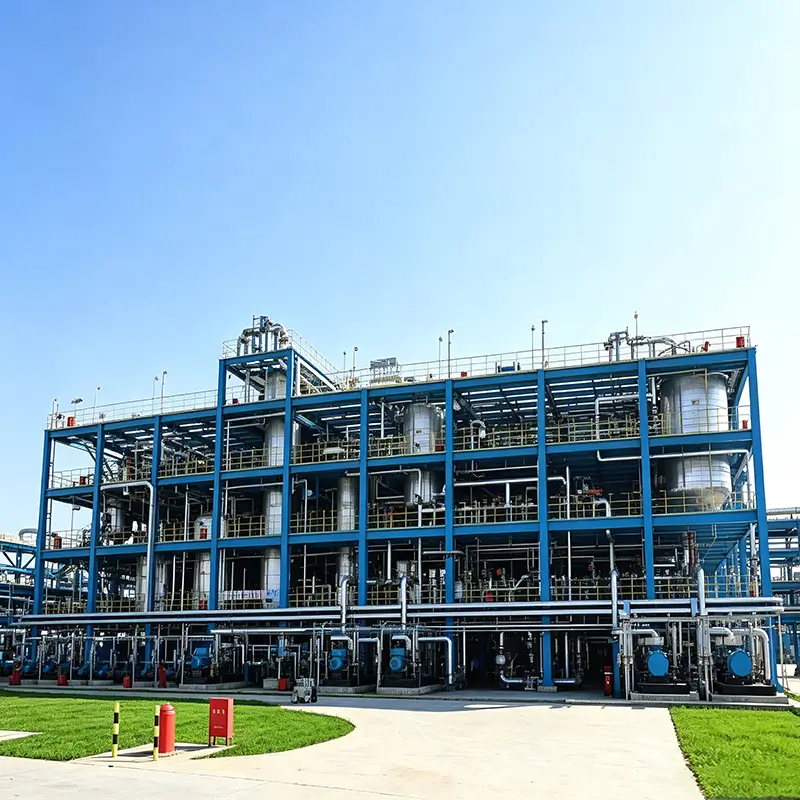
Styrene Monomer Production Plant
-
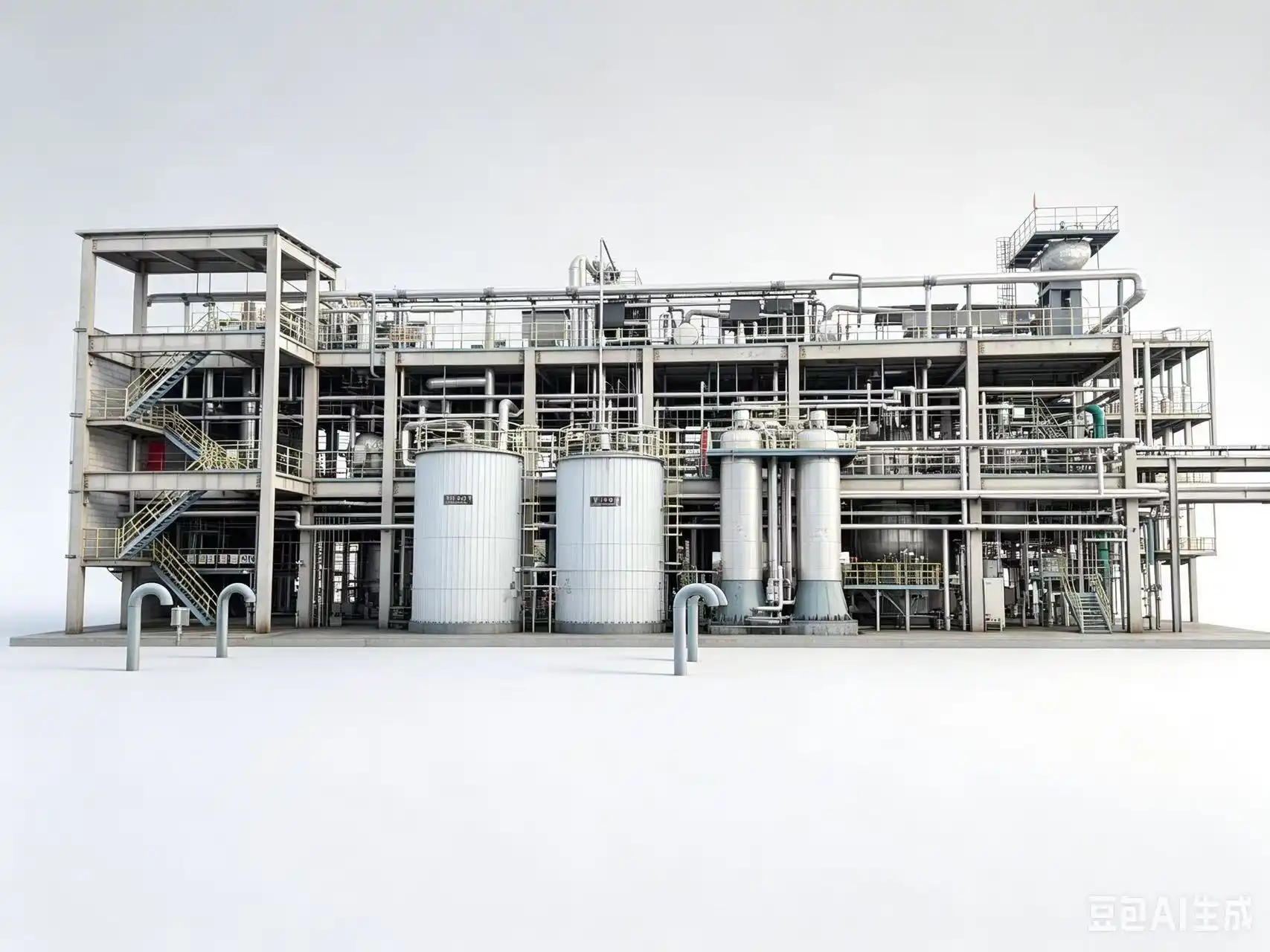
PS/HIPS Polymerization Plant
-
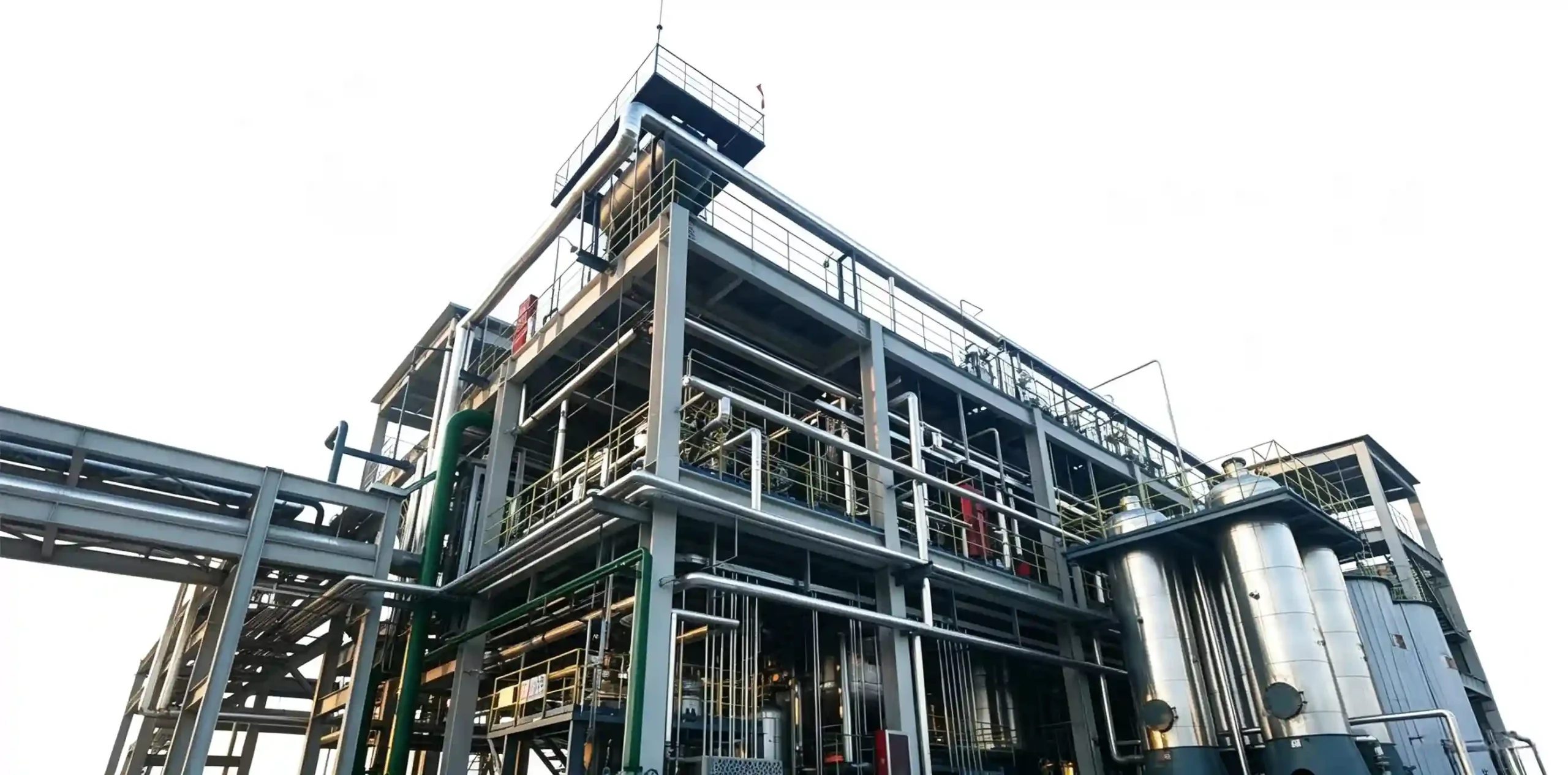
PMMA Polymerization Plant
-
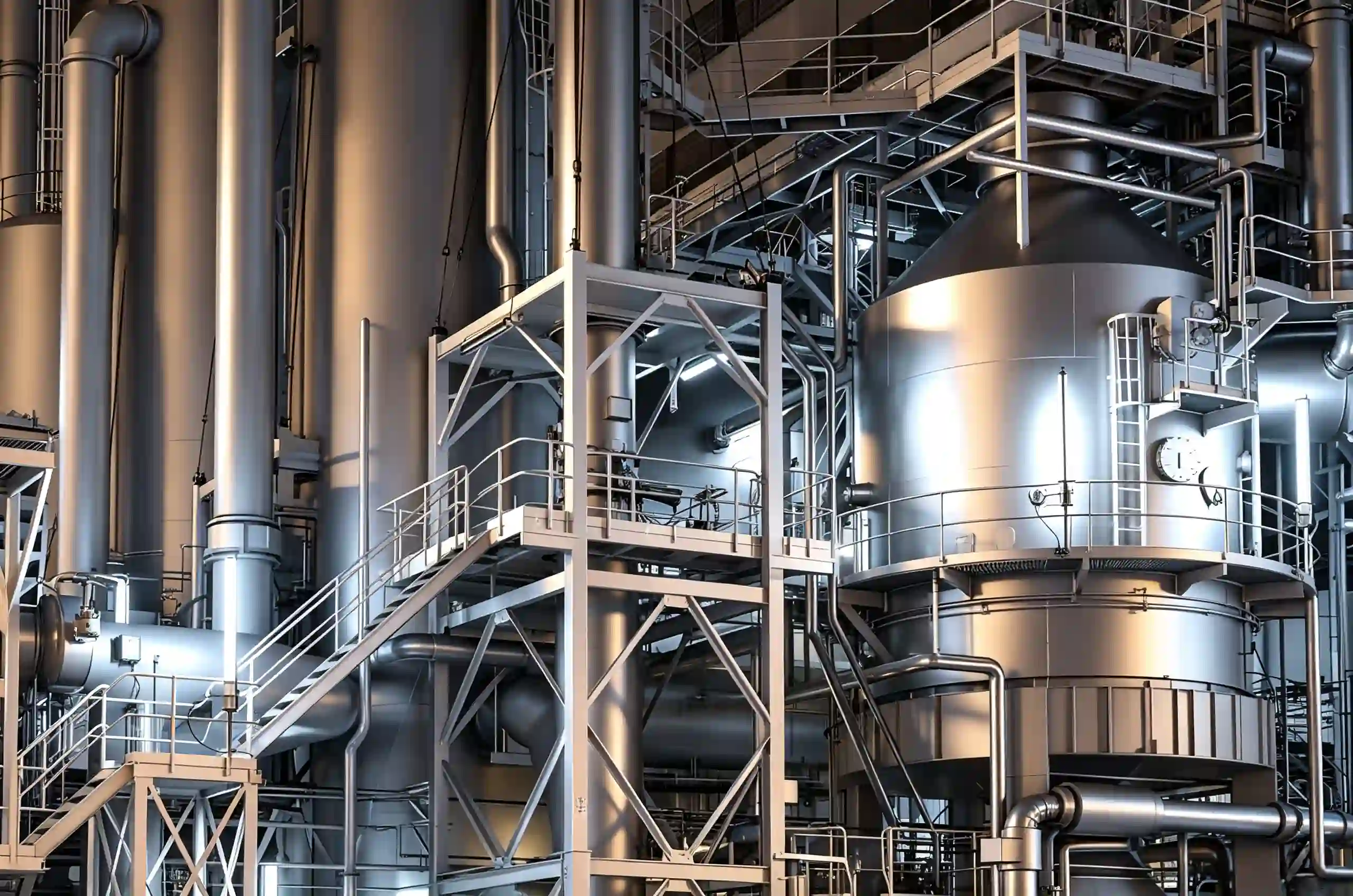
MS Polymerization Plant
-
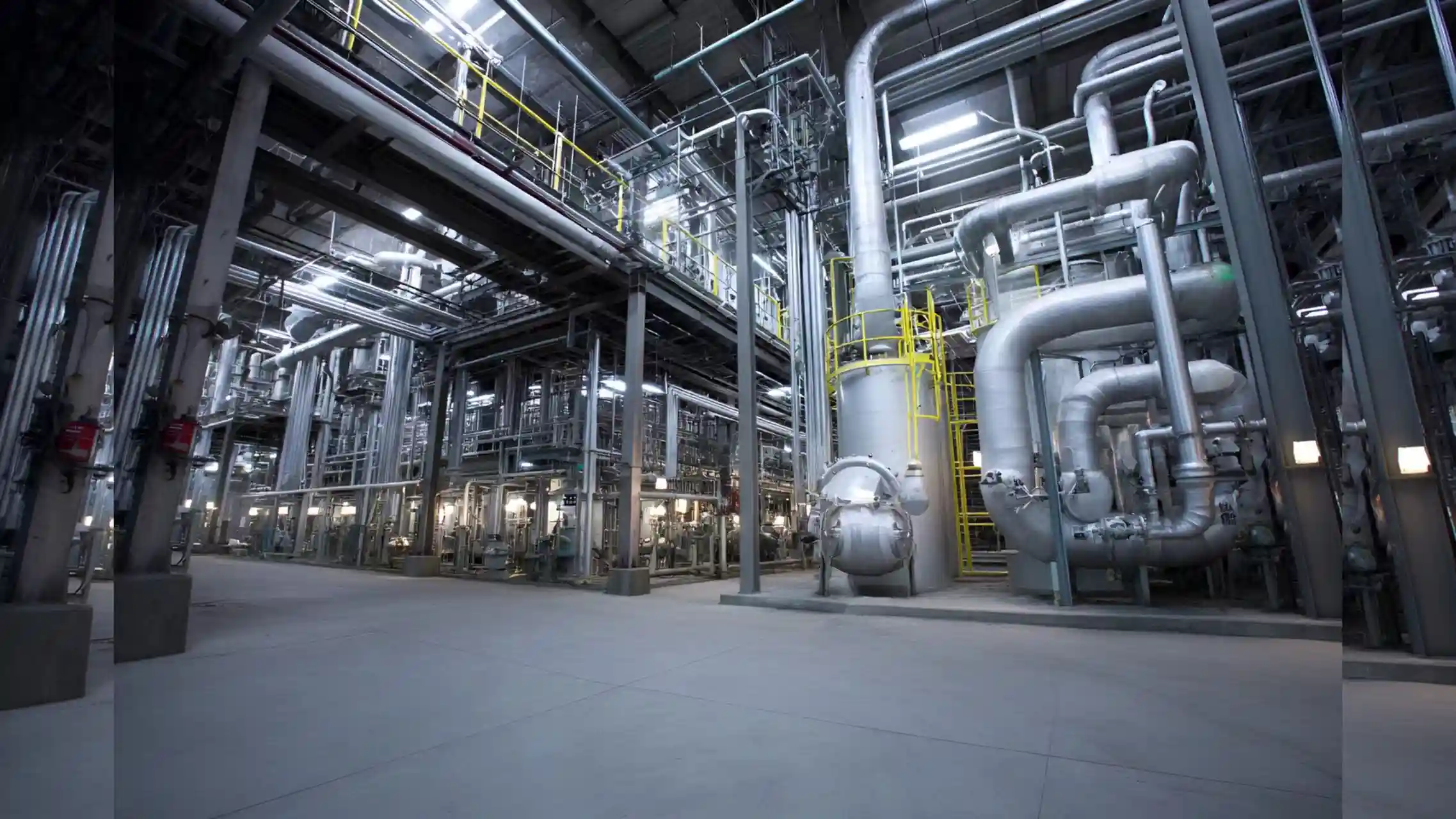
ABS Polymerization Plant
Turnkey Polymer Production Plants and Process Equipment
Green Earth supports polymer production plant projects covering styrene monomer and selected styrenic resin production routes. Project scope can include process engineering, equipment integration, control systems, auxiliary systems and implementation support according to the selected technology, product grade, production capacity and site conditions.
Each polymer project requires a defined process route and project boundary. Feedstock specifications, target product grades, annual capacity, utilities, process control, safety requirements and environmental considerations should be confirmed before equipment and plant configuration is finalized.
Polymer Production Plant Portfolio
Green Earth's polymer plant portfolio covers several production routes for styrene-based monomers and resins. The applicable process, equipment scope and project requirements vary by product and should be confirmed during technical evaluation.
| Plant | Output | Process Statement |
|---|---|---|
| Styrene Monomer Production Plant | Styrene monomer | Ethylbenzene dehydrogenation and separation route. Actual licensed technology and process scope should be confirmed. |
| GPPS/HIPS Polymerization Plant | GPPS / HIPS pellets | Continuous bulk polymerization. HIPS production additionally requires rubber dissolution and preparation. |
| PMMA Bulk Polymerization Plant | PMMA resin | Bulk, solution or suspension routes may apply depending on product grade. Final process route should be confirmed. |
| MS Resin Copolymerization Plant | Styrene-MMA transparent copolymer | Continuous copolymerization, devolatilization and pelletizing configuration. |
| ABS Resin Polymerization Plant | ABS resin | Emulsion graft, mass or hybrid routes may apply. Downstream compounding requirements should be confirmed. |
MS Resin Polymerization Plant
The MS resin production system is designed for manufacturing styrene-MMA transparent copolymers. The process can integrate continuous copolymerization, devolatilization and pelletizing according to the selected product grade and production requirements.
Key project inputs include target capacity, monomer specifications, product properties, residual monomer limits, color requirements and pellet specifications.
Styrene Monomer Polymerization Unit
Styrene monomer production requires a defined process route covering feedstock preparation, reaction, separation and product handling. For ethylbenzene dehydrogenation projects, the actual licensed or proprietary process technology, equipment scope and performance requirements should be confirmed during project development.
HIPS Resin Production Plant
GPPS and HIPS production systems can be configured for continuous bulk polymerization and downstream pelletizing. HIPS production additionally requires suitable rubber preparation and dissolution before polymerization.
The plant configuration depends on target resin grades, annual capacity, product properties, feedstock specifications and downstream pelletizing requirements.
PMMA Polymerization Plant
PMMA production can involve different polymerization routes depending on the intended product grade and technical requirements. Process selection should consider monomer purity, molecular weight requirements, residual monomer, optical properties and downstream processing.
ABS Manufacturing Plant
ABS production requires careful coordination between polymerization, grafting, compounding and pelletizing processes. The applicable route may involve emulsion grafting, mass polymerization or a hybrid process.
Final plant scope should be based on the required ABS grade, rubber phase, product properties, production capacity and downstream compounding requirements.
Plant Engineering Scope
A polymer production project involves multiple engineering disciplines. Green Earth's project scope can be defined around the selected process route and agreed supply boundary.
Basis of Design
The basis of design establishes the primary project assumptions, including feedstock, product grades, capacity, operating hours, utilities, process conditions and site requirements.
Process Engineering
Process engineering may include process descriptions, process flow diagrams, P&ID inputs, mass and energy balances and major equipment specifications.
Major Equipment
Depending on the production route, the plant may include reactors, devolatilization systems, separation columns, extruders, pelletizers, storage tanks, pumps, heat exchangers and other process equipment.
Utilities and Plant Infrastructure
Utility requirements may include steam, electricity, cooling water, nitrogen, compressed air, fuel and other plant services. Requirements should be calculated based on the selected process and equipment configuration.
Control Systems
DCS, SIS and ESD functions can be considered according to the process risk profile and plant requirements. Control philosophy, instrumentation, alarm management and remote monitoring should be defined during engineering.
Safety and Hazardous Areas
Polymer and petrochemical production can involve flammable materials, elevated temperatures and pressurized process systems. Hazardous-area classification, fire and gas systems, emergency shutdown and other safety measures should be addressed according to the applicable standards and project requirements.
Environmental Systems
Environmental requirements may cover VOC control, off-gas treatment, monomer recovery, wastewater handling and other process emissions. The applicable scope depends on the process route, feedstock and local regulations.
Installation and Commissioning
Project support can extend to equipment installation guidance, cold commissioning, hot commissioning, process trials, operator training and acceptance according to the agreed contract scope.
Polymer Plant Specification Table
For B2B polymer plant projects, technical specifications should provide enough information for engineering teams, plant owners and procurement departments to evaluate the proposed solution.
| Field | Required Website Value |
|---|---|
| Product and Grades | Exact resin or monomer and target grades |
| Design Capacity | t/year and operating hours/year |
| Feedstocks | Purity, consumption and storage assumptions |
| Process Route | Licensed, proprietary or general process route and limitations |
| Product Quality | Key properties, residual monomer, color, MFI and other requirements |
| Major Equipment | Reactors, devolatilizers, columns, extruders, pelletizers and tanks |
| Utilities | Steam, electricity, water, cooling, nitrogen, air and fuel |
| Control and Safety | DCS, SIS, ESD, fire and gas systems and hazardous-area design |
| Environmental Scope | VOC, wastewater, off-gas and monomer recovery |
| Project Boundary | Engineering, supply, civil works, installation, commissioning and local permits |
This information helps separate confirmed technical parameters from items that require further engineering or process validation.
Process Route and Product Grade
The process route is one of the most important considerations when developing a polymer production plant. Different polymers and grades may require different reaction mechanisms, operating conditions, separation systems and downstream processing.
For example, GPPS and HIPS cannot be treated as identical production projects even though both are styrenic resins. HIPS requires additional rubber preparation and integration into the polymerization process.
Similarly, PMMA and ABS can involve different polymerization routes depending on the desired product grade and manufacturing technology.
For this reason, Green Earth recommends confirming the following before final plant configuration:
- Target polymer or monomer
- Product grade
- Annual production capacity
- Feedstock purity
- Polymerization route
- Required product properties
- Residual monomer limits
- Downstream processing requirements
- Utility availability
- Local safety and environmental standards
Petrochemical Polymerization Equipment
Green Earth can coordinate petrochemical polymerization equipment according to the selected production route and project scope. Equipment selection may cover reaction systems, separation equipment, devolatilization, extrusion, pelletizing, storage and process auxiliaries.
The equipment should be evaluated as part of the overall production process rather than as independent machines. Process conditions, material compatibility, operating pressure and temperature, throughput and safety requirements all affect equipment selection.
Industrial Polymerization System Integration
An industrial polymerization system requires coordination between process equipment, instrumentation, utilities, material handling and plant controls.
Reaction Systems
Reactors and associated process equipment are selected according to the polymerization route, reaction conditions, residence time and target capacity.
Devolatilization
Devolatilization systems can be incorporated where residual monomers, solvents or volatile components need to be removed before downstream processing.
Separation and Recovery
Depending on the process, separation and recovery systems may be required for unreacted monomers, solvents or other process streams.
Extrusion and Pelletizing
For resin production, downstream extrusion and pelletizing can convert polymer material into a consistent commercial form. Equipment configuration depends on the polymer properties and target pellet specifications.
Storage and Material Handling
Storage tanks, silos, conveying systems and packaging equipment can be integrated according to raw material and finished product requirements.
Project Development for New Polymer Plants
Green Earth supports project development from initial technical discussions through equipment coordination and implementation support according to the agreed project scope.
1. Project Requirements
Define the target product, grade, capacity, feedstock and site conditions.
2. Process Evaluation
Confirm the applicable process route and identify technical information that requires further validation.
3. Plant Configuration
Develop the major equipment list, auxiliary systems, utility requirements and preliminary plant arrangement.
4. Engineering and Documentation
Prepare the agreed process and engineering documentation, including relevant process flow and equipment information.
5. Equipment Supply and Integration
Coordinate the supply and integration of equipment according to the defined project boundary.
6. Commissioning and Training
Support installation, commissioning, operator training and process startup according to the contract scope.
Polymer Production Plant Project Inputs
A preliminary technical proposal should be based on actual project information rather than a generic production capacity.
Customers are encouraged to provide:
- Product type and grade
- Annual production target
- Operating hours per year
- Feedstock type and purity
- Feedstock consumption
- Required product properties
- Polymerization route, if already selected
- Available utilities
- Factory dimensions
- Local technical standards
- Environmental requirements
- Automation level
- Installation requirements
- Project location
- Target project schedule
For existing plants, operating data, current equipment lists, process flow diagrams and production bottlenecks can help determine whether expansion, replacement or process optimization is appropriate.
Turnkey Polymer Plant Engineering
A turnkey polymer project can include different combinations of engineering, equipment supply and implementation support. The exact project boundary should be clearly defined before commercial and technical commitments are made.
Potential scope includes:
- Basis of design
- Process engineering
- PFD and P&ID documentation
- Mass and energy balance
- Equipment selection
- Equipment integration
- Plant layout inputs
- Utility planning
- DCS/SIS configuration
- Safety system coordination
- Environmental system planning
- Equipment supply
- Installation guidance
- Commissioning
- Operator training
- Spare parts
- Acceptance support
Civil construction, local permits, utility infrastructure and other site-specific responsibilities should be clearly divided between the project parties.
Frequently Asked Questions
What is included in a polymer production plant?
A polymer production plant can include reaction systems, feedstock handling, separation, devolatilization, extrusion, pelletizing, storage, utilities, process controls and environmental systems. The actual equipment scope depends on the polymer and selected process route.
What information is required to design a polymer production plant?
The main inputs include product type and grade, annual capacity, feedstock specifications, process route, product quality requirements, utilities, factory conditions, safety requirements and environmental standards.
Can Green Earth provide turnkey polymer plant engineering?
Green Earth can coordinate engineering, equipment integration and implementation support according to the agreed project scope. The exact boundary between engineering, equipment supply, civil works, installation and local permits should be defined in the project contract.
Can different polymer grades be produced in the same plant?
Potentially, but this depends on the polymerization technology, equipment configuration, formulation, cleaning requirements and product specifications. Grade flexibility should be evaluated during process engineering.
What is the difference between GPPS and HIPS production?
Both are styrenic resins, but HIPS production requires rubber preparation and incorporation into the polymerization process. The equipment and process configuration therefore differ from a standard GPPS plant.
Can an existing polymer plant be upgraded?
Selected existing plants can be evaluated for capacity expansion, equipment replacement, process optimization or control-system upgrades. Current process data and equipment information should be reviewed before defining the upgrade scope.
What affects polymer plant investment?
Investment depends on polymer type, production capacity, process route, feedstock systems, major equipment, automation, utilities, safety systems, environmental controls, civil works, installation and commissioning requirements.
Discuss Your Polymer Plant Project
Planning a new polymer production plant, resin expansion project or petrochemical processing facility?
Share your target product, grade, annual capacity, feedstock, process route and site conditions with Green Earth. Our team can review the project requirements and help define the appropriate equipment and engineering scope.