

Plastic Recycling Pelletizing Equipment
Green Earth provides plastic recycling pelletizing equipment for PS, XPS, PP, PE and ABS waste, with systems configured for feedstock condition, processing capacity, filtration requirements and recycled pellet quality. Solutions can integrate feeding, compaction, extrusion, devolatilization, filtration and pelletizing.
Planning a recycling project? Request a Technical Proposal →
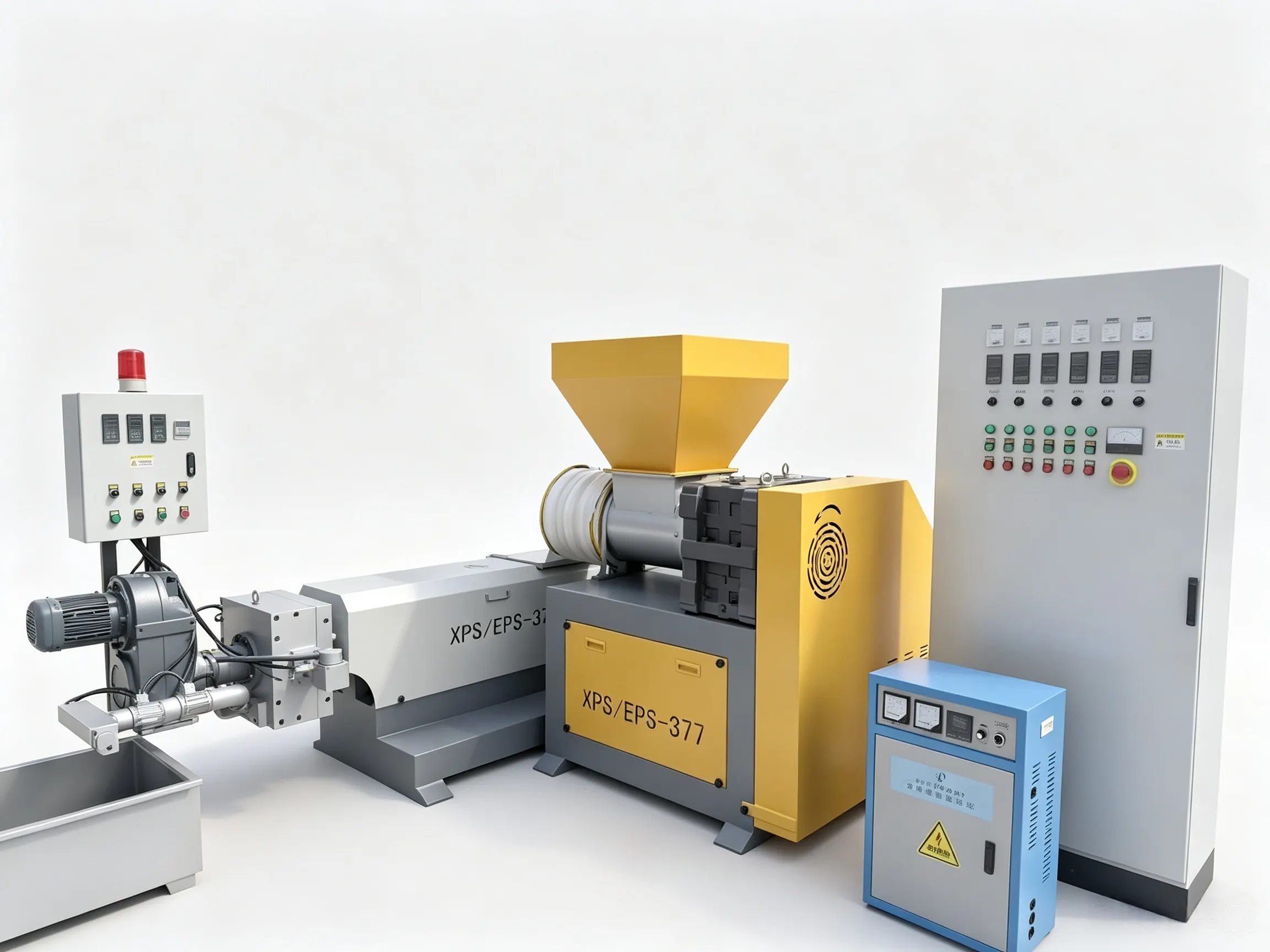
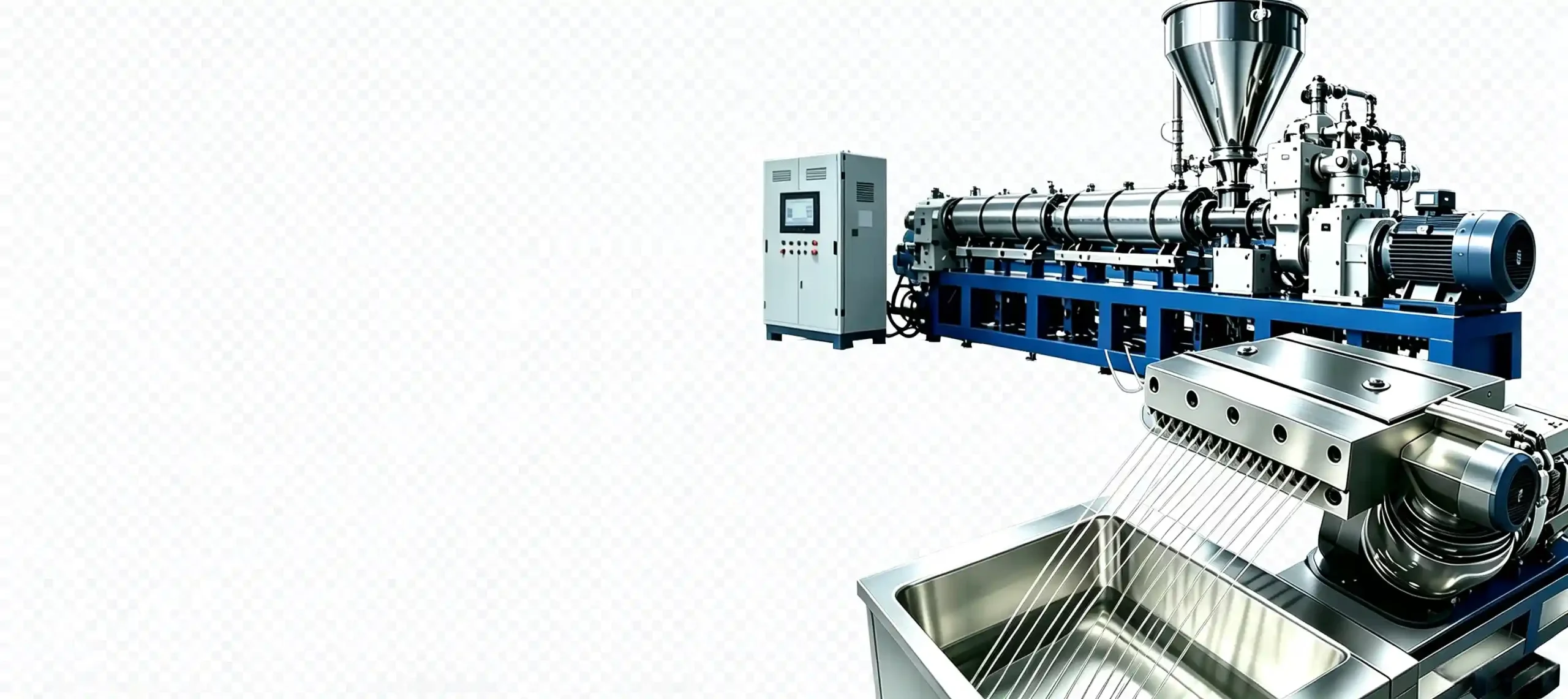
Plastic Recycling Pelletizers for PS Foam and Rigid Plastic Waste
Green Earth supplies plastic recycling pelletizing systems for suitable PP, PE, PS, ABS, PS foam and XPS production scrap. Line configuration can include feeding, size reduction, washing, drying, compaction, extrusion, devolatilization, melt filtration and pelletizing according to the feedstock condition and required recycled pellet quality.
For industrial recycling projects, equipment selection depends on more than nominal output. Feedstock form, bulk density, contamination, moisture, volatile content, required filtration, target melt flow characteristics and available utilities all influence the final configuration.
Recycling Pelletizer Solutions
Green Earth can configure recycling systems for different feedstock characteristics and pellet production requirements.
| Model | Feedstock | Pelletizing | Best Fit |
|---|---|---|---|
| Type A Plastic Recycling Pelletizer | PP, PE, PS, ABS and other verified thermoplastics | Water cooling, air cooling or water-ring options | Multi-material recycling projects |
| Type B PS Recycling Pelletizing Unit | PS foam, XPS scrap and other verified PS waste | Underwater pelletizing in current configuration | PS-specific recycling and closed-loop material reuse |
The appropriate system should be selected after confirming the actual feedstock and required recycled pellet specifications. Material testing may be required for mixed, contaminated or variable waste streams.
Standard Recycling Process Flow
A typical recycling pelletizing line can combine several processing stages:
Sorting & Feeding → Crushing or Compaction → Washing → Dewatering & Drying → Extrusion & Devolatilization → Melt Filtration → Pelletizing → Cooling & Drying → Screening → Packing
Not every project requires every stage. Clean production scrap may require a shorter process, while post-industrial or contaminated feedstock may require additional preparation and cleaning.
Sorting and Feeding
Incoming plastic waste is sorted according to polymer type, color, contamination and feedstock form. A controlled feeding system helps maintain stable material flow into the recycling process.
Crushing and Size Reduction
Large plastic pieces can be reduced to a suitable size for conveying, compaction or extrusion. The equipment selection depends on the physical form and bulk density of the feedstock.
Washing and Drying
Washing can be incorporated where contamination requires cleaning before extrusion. Dewatering and drying systems help reduce moisture before the material enters the extrusion stage.
Compaction and Densification
Low-density materials, particularly suitable foam scrap, may require compaction or densification to improve feeding consistency and material handling efficiency.
Extrusion and Devolatilization
The extrusion section melts and homogenizes the processed material. Devolatilization can help remove moisture and volatile components where required by the feedstock and target pellet quality.
Melt Filtration
Filtration removes remaining solid contaminants from the polymer melt. Filter type and filtration fineness should be selected according to contamination levels and the required quality of the recycled pellets.
Pelletizing
The pelletizing system converts the filtered polymer melt into a consistent pellet form. Available configurations can include strand, water-ring, air-cooling and underwater pelletizing, depending on the polymer and production requirements.
Key Selection Factors
Selecting a plastic recycling pelletizer requires a clear understanding of the incoming material and the required recycled product.
| Selection Factor | What Needs to Be Confirmed |
|---|---|
| Feedstock Type | PP, PE, PS, ABS, XPS or other verified polymers |
| Feedstock Form | Film, rigid parts, flakes, foam, scrap or production waste |
| Bulk Density | Important for feeding and material handling |
| Contamination | Type and approximate contamination level |
| Moisture | Incoming moisture and required moisture after drying |
| Volatile Content | Relevant to venting and devolatilization requirements |
| Target Output | Required kg/h under defined feedstock conditions |
| MFI Target | Required melt flow characteristics of recycled pellets |
| Color | Single-color or mixed-color feedstock |
| Filtration | Required filtration fineness and screen system |
| Pellet Shape | Strand, water-ring, air-cooled or underwater pellets |
| Utilities | Electrical power, cooling water, compressed air and other requirements |
| Environmental Requirements | Ventilation, emissions and waste-handling requirements |
| Labor | Required operating and maintenance personnel |
| Packaging | Bulk bags, bags or other finished pellet handling requirements |
These inputs should be confirmed before final equipment selection to avoid designing a line around an assumed feedstock that differs from the actual production material.
Recommended Technical Specification Table
For B2B recycling projects, technical specifications should provide enough information for engineers and purchasing teams to evaluate the proposed line.
| Field | What to Publish |
|---|---|
| Applicable Materials | Verified polymers and feedstock forms |
| Output | kg/h with minimum, nominal and maximum values under defined feedstock |
| Feeding & Pre-Treatment | Crusher, compactor, densifier, washer and dryer configuration |
| Extruder | Screw diameter, L/D ratio, motor power, screw/barrel material and heating/cooling |
| Devolatilization | Number of vents and vacuum configuration |
| Filtration | Filter type and minimum screen or filtration rating |
| Pelletizing | Strand, water-ring, air-cooling or underwater system |
| Utilities | Installed power, estimated consumption, water and compressed air |
| Line Dimensions | L × W × H and recommended workshop area |
| Control System | PLC/HMI brand, operating languages, alarms and remote support |
Where output is published, it should be associated with defined feedstock conditions. This provides a more useful reference for industrial buyers than presenting a single maximum capacity without material specifications.
PS Foam and XPS Scrap Recycling
PS foam and XPS production scrap have different handling characteristics from conventional rigid plastic waste. Low bulk density, material shape, contamination and thermal processing behavior can influence feeding and extrusion performance.
A PS foam recycling machine may therefore require a suitable combination of compaction, feeding, extrusion, devolatilization and filtration systems.
For XPS production plants, suitable edge trim and production scrap can potentially be processed into reusable material when the feedstock quality and required recycled content are compatible with the production process.
Customers planning an XPS recycling project should provide information on:
- XPS scrap form
- Scrap bulk density
- Virgin and recycled material ratio
- Moisture level
- Contamination
- Target recycled output
- Required pellet quality
- Intended downstream application
For manufacturers producing XPS boards, see our CO2 XPS Foam Board Production Line solutions.
Recycled PS Pellet Production
A dedicated polystyrene pelletizing line can be configured for suitable PS production scrap and PS foam waste. The process can include material preparation, densification, extrusion, devolatilization, filtration and pelletizing according to the feedstock.
The target recycled pellet specification should be defined before selecting the equipment. Important parameters can include melt flow characteristics, contamination level, color, pellet size, moisture and intended downstream application.
Recycled PS pellets may be considered for selected applications in plastic processing where the recycled material meets the required technical and processing specifications.
Multi-Material Plastic Recycling
For recycling projects involving PP, PE, PS, ABS or other verified thermoplastics, the line configuration should reflect the actual material mix.
A multi-material project may require additional sorting or separate processing strategies when different polymers have significantly different processing characteristics. Where material streams can be separated, dedicated processing can provide more predictable pellet quality.
Green Earth can evaluate the feedstock and recommend an equipment configuration based on the actual recycling process rather than assuming that one line is suitable for every polymer.
Extrusion and Pelletizing Equipment Integration
A recycling line is a connected production system. Feeding, extrusion, filtration and pelletizing equipment must work together to maintain stable throughput and recycled material quality.
Green Earth's extrusion and pelletizing equipment supplier approach covers the coordination of key process modules according to the project requirements.
Feeding System
The feeding system should match material form, bulk density and flow characteristics to provide stable material input.
Extrusion System
Screw configuration, barrel design, drive system and temperature control are selected according to polymer characteristics and required throughput.
Devolatilization
Venting and vacuum systems can be incorporated where moisture, volatile substances or other process conditions require controlled removal during extrusion.
Filtration
The filtration system should be selected according to the contamination level and required recycled pellet quality. Finer filtration may require additional pressure control and filter capacity.
Pelletizing System
Pelletizing technology is selected according to polymer properties, production capacity and required pellet form.
Automation
PLC/HMI controls can coordinate feeding, extrusion temperature, pressure, pelletizing and alarms. Remote support functions can be included where required by the project.
Plastic Recycling Projects for Industrial Applications
Green Earth's recycling equipment can support different industrial recycling objectives.
Production Scrap Recovery
Manufacturers can process suitable production scrap back into reusable polymer material, helping reduce material loss and improve internal material utilization.
PS and XPS Waste Recovery
Suitable PS foam and XPS production waste can be processed through dedicated preparation and pelletizing configurations for controlled reuse.
Recycled Pellet Production
Recycling companies can process suitable plastic waste into pellets for downstream customers and plastic processing applications.
Capacity Expansion
Existing recycling operations can evaluate additional pelletizing capacity or equipment upgrades based on current throughput and future production targets.
Closed-Loop Material Reuse
Manufacturers generating consistent production scrap may consider an integrated recycling process to return suitable recovered polymer to their production cycle.
Project Information Required for a Technical Proposal
To recommend a suitable plastic pelletizer machine, Green Earth typically needs the following information:
- Feedstock type and source
- Material form and bulk density
- Moisture and contamination
- Required production capacity
- Target recycled pellet specification
- Required MFI or other material properties
- Desired pelletizing method
- Available electricity and cooling water
- Factory dimensions
- Automation requirements
- Local environmental and technical standards
- Target delivery and commissioning schedule
For mixed or difficult-to-process feedstock, sample testing and production trials may be recommended before finalizing the equipment configuration.
Polystyrene Recycling Equipment for Production Plants
Green Earth's polystyrene recycling equipment can be considered for suitable PS and XPS production waste where the material condition and target recycled product are clearly defined.
The recycling process can be integrated with existing production operations or developed as an independent recycling line. Equipment scope depends on whether the incoming material requires crushing, densification, washing, drying, filtration or other pre-treatment.
For projects that combine recycling with polymer processing, our Plastic Extrusion Machinery solutions can be evaluated together with the recycling system.
Frequently Asked Questions
What materials can be processed by the recycling pelletizing line?
Depending on the equipment configuration and verified feedstock, systems can process PP, PE, PS, ABS, PS foam and XPS production scrap. The actual material should be evaluated before confirming the equipment configuration.
Can PS foam and XPS scrap be recycled into pellets?
Suitable PS foam and XPS production scrap can be processed into recycled pellets when the feedstock condition, processing parameters and required pellet quality are compatible. Material testing is recommended for new or variable feedstock.
What affects the capacity of a recycling pelletizing line?
Capacity depends on the polymer type, feedstock density, contamination, moisture, particle size, extrusion configuration, filtration requirements and target pellet quality. A published kg/h figure should therefore be linked to defined feedstock conditions.
What is the difference between a plastic pelletizer and a complete recycling line?
A pelletizer focuses on converting molten polymer into pellets, while a complete recycling line can include sorting, feeding, crushing, washing, drying, compaction, extrusion, devolatilization, filtration, pelletizing and finished-pellet handling.
Do all plastic recycling projects require washing?
No. Clean production scrap may not require a washing system. Washing and drying should be included when the incoming material contains contamination or other conditions that require cleaning before extrusion.
Can recycled pellets be used in XPS production?
Potentially, depending on the recycled material quality, formulation, recycled content and required board properties. The material should be validated before confirming its use in XPS production.
Can the recycling line be customized?
Yes. The equipment configuration can be developed around feedstock characteristics, target output, pellet specifications, available utilities, factory layout and automation requirements.
Request a Plastic Recycling Line Proposal
Planning a plastic recycling pelletizing line for PS foam, XPS scrap or rigid plastic waste? Send Green Earth your feedstock details, target output and recycled pellet requirements.
Our team can evaluate your material and project conditions and recommend a suitable recycling and pelletizing configuration.