

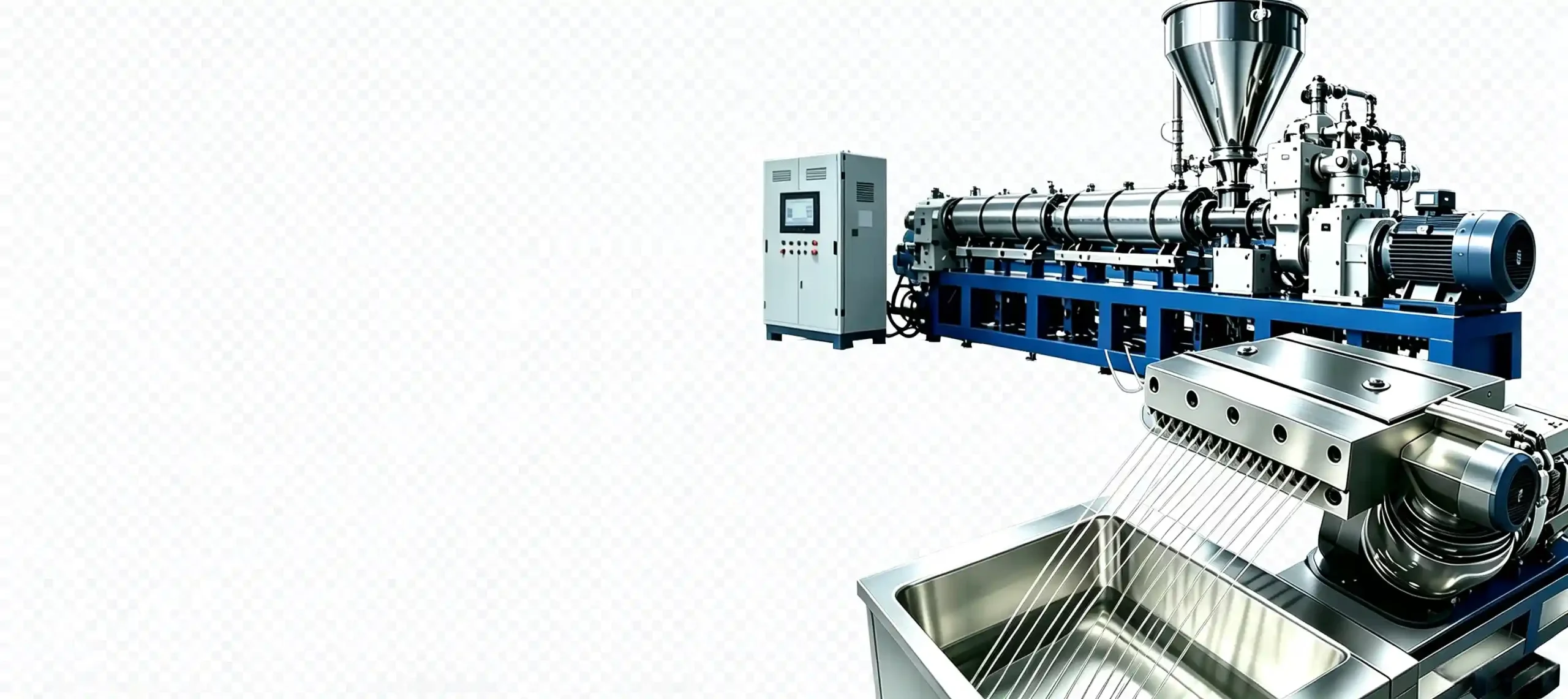
Type B PS Recycled Pelletizing Unit
PS Recycling Machine for PS Foam Waste Pelletizing
Green Earth's PS recycling machine is an industrial recycling and pelletizing system designed to process polystyrene (PS) waste, including EPS foam packaging waste, XPS insulation board scraps and selected post-industrial PS foam products. The system converts bulky PS waste into reusable recycled PS pellets through compaction, crushing, cleaning, drying, extrusion, vacuum devolatilization, melt filtration and underwater pelletizing.
Designed for XPS insulation board manufacturers, PS processors and plastic recycling companies, this PS recycling equipment provides a continuous solution for recovering production scrap, reducing waste volume and increasing the reuse value of polystyrene materials.
PS Foam Waste Recycling Process
PS foam has a low bulk density, large volume and strong tendency to retain moisture and contaminants. Green Earth optimizes the recycling process around these material characteristics to achieve stable feeding, efficient devolatilization and consistent pelletizing.
1. Foam Compaction and Feeding
Loose PS foam waste is first processed by a dedicated compacting system. The screw compression structure continuously compresses low-density foam into high-density blocks, reducing the material volume by more than 50 times.
The compacted material is easier to convey, store and feed into the recycling system, helping reduce transportation requirements and material handling problems.
2. Crushing and Washing
The compacted foam blocks enter a low-noise crushing system and are processed into smaller, more uniform fragments.
The crushed material can then pass through a high-pressure washing system. Agitation and friction remove surface dust, adhesives and other contaminants before extrusion.
3. Dehydration and Hot-Air Drying
After washing, the PS fragments are processed through centrifugal dehydration followed by hot-air drying with vibration conveying.
The combined drying process reduces residual moisture to the required processing level, with a target moisture content of up to 2,000 ppm under the specified process conditions.
Effective moisture control helps reduce the risk of bubbles, unstable extrusion and pellet quality problems during subsequent processing.
4. Extrusion and Vacuum Devolatilization
The dried PS material is continuously fed into the extrusion system. Controlled heating and screw shear gradually melt and plasticize the material.
A multi-stage vacuum devolatilization system removes residual blowing agents, moisture and other volatile components from the molten PS.
This stage is particularly important when processing EPS or XPS foam waste because residual foaming agents can affect melt stability and cause unwanted foaming during subsequent processing.
5. Continuous Melt Filtration
The molten polymer passes through a continuous two-stage filtration system.
A hydraulic quick-change screen changer provides efficient primary filtration, while an automatic fine filtration system removes smaller contaminants, including unmelted material, paper fragments and fibers.
Continuous filtration helps maintain stable melt flow and protects the downstream pelletizing system.
6. Underwater Pelletizing
After filtration, the molten PS is extruded through a dedicated die plate and cut underwater by a high-speed rotating cutter.
This PS pelletizing machine configuration combines cutting and cooling in a controlled water environment, helping produce uniform pellets while reducing airborne dust and pellet adhesion.
7. Water Cooling and Recycling
The newly cut pellets are rapidly cooled and solidified through circulating process water.
A closed-loop water circulation system filters and recycles the cooling water, reducing fresh water consumption and limiting secondary wastewater generation.
8. Pellet Dewatering, Screening and Packaging
After cooling, the pellets are separated from surface water through centrifugal dewatering.
A vibrating screening system separates qualified pellets from oversized or undersized material before the finished pellets are transferred to an automatic quantitative packaging system.
Core PS Recycling Equipment Configuration
Green Earth integrates multiple processing stages into one continuous recycling system. The configuration can be adjusted according to the incoming waste material, contamination level, target pellet quality and required production capacity.
Foam Compaction System
The dedicated compactor is designed for low-density PS foam waste. Continuous screw compression reduces material volume and creates a more stable feedstock for downstream processing.
Key functions include:
- High-density foam compaction
- Continuous feeding
- Reduced storage volume
- Improved material conveying
- Reduced feeding blockage
Devolatilization Extruder
The extruder combines melting, plasticization, mixing and volatile removal.
Its dedicated screw configuration and multi-stage vacuum system help remove residual blowing agents and moisture while maintaining controlled melt temperature.
The extrusion system is equipped with precise temperature control to reduce the risk of localized overheating and material degradation.
Continuous Melt Filtration System
The filtration section combines hydraulic screen changing and fine filtration to remove contaminants from the molten PS.
Continuous filtration helps maintain stable production without requiring frequent manual interruption for filter replacement.
Underwater Pelletizing System
The underwater pelletizing system integrates the die plate, metering system, cutter, water circulation, dewatering and screening equipment.
The system is designed to produce pellets with consistent size, smooth surfaces and good flow characteristics.
Green Earth also supplies industrial polymer production equipment for extrusion, compounding and other polymer processing applications.
Key Features of PS Foam Recycling Equipment
Designed for Low-Density PS Foam
The feeding and compaction system is specifically configured for lightweight foam materials, helping address problems associated with low bulk density, unstable conveying and material bridging.
Multi-Stage Vacuum Devolatilization
Residual blowing agents, moisture and other volatile components are removed through staged vacuum treatment before pelletizing.
This is particularly important when recycling XPS and EPS foam waste.
Underwater Pelletizing Technology
The underwater cutting process integrates pellet formation and cooling, producing uniform pellets while reducing dust and preventing hot pellets from sticking together.
Enclosed Continuous Processing
The production line uses an enclosed processing configuration to reduce material leakage and dust escape. Centralized dust collection and waste gas treatment can be integrated according to project requirements and applicable environmental regulations.
Intelligent PLC Control
A centralized PLC control system manages key operating parameters, including:
- Extruder speed
- Processing temperature
- Cutter speed
- Water circulation temperature
- Vacuum system operation
The control system can also provide alarm functions, fault diagnosis and centralized monitoring to reduce manual intervention.
Stable Recycled PS Pellet Quality
The controlled extrusion, devolatilization, filtration and pelletizing process helps produce recycled PS pellets with stable processing characteristics.
Depending on the material source and final quality requirements, the recycled pellets can be blended with virgin GPPS at an appropriate ratio for selected PS processing applications.
Recycled PS Pellet Quality
The quality of recycled PS pellets depends on the incoming waste material, contamination level, drying performance, extrusion parameters and filtration configuration.
Green Earth's process is designed to support:
| Quality Factor | Processing Approach |
|---|---|
| Pellet size | Controlled by underwater cutting |
| Pellet shape | Uniform underwater pelletizing |
| Moisture | Dehydration and hot-air drying |
| Volatile content | Multi-stage vacuum devolatilization |
| Contamination | Continuous melt filtration |
| Melt stability | Controlled extrusion temperature and screw speed |
| Material compatibility | Formulation-dependent blending with virgin GPPS |
For projects with defined recycled material specifications, the equipment configuration can be adjusted according to target pellet properties and downstream processing requirements.
Applications of Recycled PS Pellets
Recycled PS pellets can be used in selected downstream PS processing applications according to their material properties and applicable product requirements.
XPS Insulation Board Production
Recycled PS pellets can be blended with virgin GPPS at an appropriate ratio for selected XPS formulations, helping manufacturers recover production scrap and reduce virgin material consumption.
PS Injection Molding
Suitable recycled PS pellets can be used in selected non-food-contact PS injection molding applications, including certain industrial and general-purpose plastic products.
PS Extrusion Products
Recycled pellets can also serve as feedstock for selected PS extrusion applications where the required mechanical and processing properties are met.
Packaging and Protective Products
Depending on regulatory and product requirements, recycled PS can be incorporated into selected packaging and protective applications.
The suitability of recycled material depends on pellet quality, formulation, contamination level and the requirements of the final product.
As a broader polymer processing equipment supplier, Green Earth can coordinate recycling, extrusion and polymer processing equipment according to project requirements.
Why Recycle PS Foam Waste?
PS foam waste occupies significant storage and transportation space because of its low bulk density. Recycling converts this low-density waste into a denser and more manageable material form while recovering its polymer value.
Reduce Waste Volume
Compaction can reduce the volume of loose foam by more than 50 times, improving storage and transportation efficiency.
Recover Production Scrap
XPS and EPS production scrap can be collected and reprocessed instead of being treated solely as waste.
Reduce Virgin Resin Consumption
Recycled PS pellets can replace part of the virgin material in suitable formulations, depending on the required product performance.
Build a Closed Material Cycle
For XPS manufacturers, the recycling system can connect production scrap recovery with downstream material reuse, creating a more integrated production and recycling process.
Integrated PS Recycling Solutions
Green Earth can configure the recycling system according to the type and volume of PS waste, target pellet specifications and downstream application.
The complete system can include:
- Foam compaction
- Crushing
- Washing
- Dehydration
- Hot-air drying
- Extrusion
- Vacuum devolatilization
- Melt filtration
- Underwater pelletizing
- Water circulation
- Pellet dewatering
- Pellet screening
- Automatic packaging
- Dust collection
- Waste gas treatment
For customers requiring broader plastic recycling capabilities, Green Earth also provides a plastic recycling pelletizing line covering different polymer recycling and pelletizing applications.
PS Recycling Machine FAQ
What types of PS waste can this recycling machine process?
The system is primarily designed for PS foam waste, including EPS packaging waste, XPS insulation board scraps and selected post-industrial PS foam waste. Material suitability should be evaluated according to contamination, additives, moisture and required pellet quality.
Can XPS foam waste be recycled into PS pellets?
Yes. XPS production scraps can be processed through compaction, extrusion, vacuum devolatilization, filtration and pelletizing to produce recycled PS pellets. The final pellet properties depend on the waste material and processing conditions.
Why does PS foam recycling require a compactor?
Loose PS foam has a very low bulk density, making conventional conveying and feeding inefficient. Compaction significantly reduces the material volume and creates a more stable feedstock for the extrusion system.
Why is vacuum devolatilization important for PS foam recycling?
EPS and XPS foam may contain residual blowing agents and moisture. Multi-stage vacuum devolatilization removes volatile components from the molten polymer, helping improve melt stability and reduce unwanted foaming during downstream processing.
What is the difference between PS recycling equipment and PS pelletizing equipment?
PS recycling equipment covers the complete waste processing system, including feeding, washing, drying, extrusion, filtration and pelletizing. PS pelletizing equipment focuses primarily on converting processed molten polymer into uniform recycled pellets.
Can recycled PS pellets be used for XPS production?
They can be used in selected XPS formulations when the recycled pellets meet the required material specifications. The appropriate blending ratio depends on the recycled material properties, product performance requirements and production formulation.
Does the recycling line use underwater pelletizing?
Yes. The system uses underwater pelletizing to cut and cool the molten PS simultaneously, helping produce uniform pellets and reduce dust and pellet adhesion.
Can the PS recycling line be customized?
Yes. Equipment configuration can be adjusted according to the type of PS waste, input capacity, contamination level, required pellet properties, factory layout and downstream application.
Request a PS Recycling Equipment Solution
Green Earth provides industrial PS recycling equipment for manufacturers and recycling companies looking to recover PS foam waste and produce reusable recycled pellets.
Share your waste material type, expected processing capacity and target pellet application with our technical team to receive a suitable recycling and pelletizing configuration.